



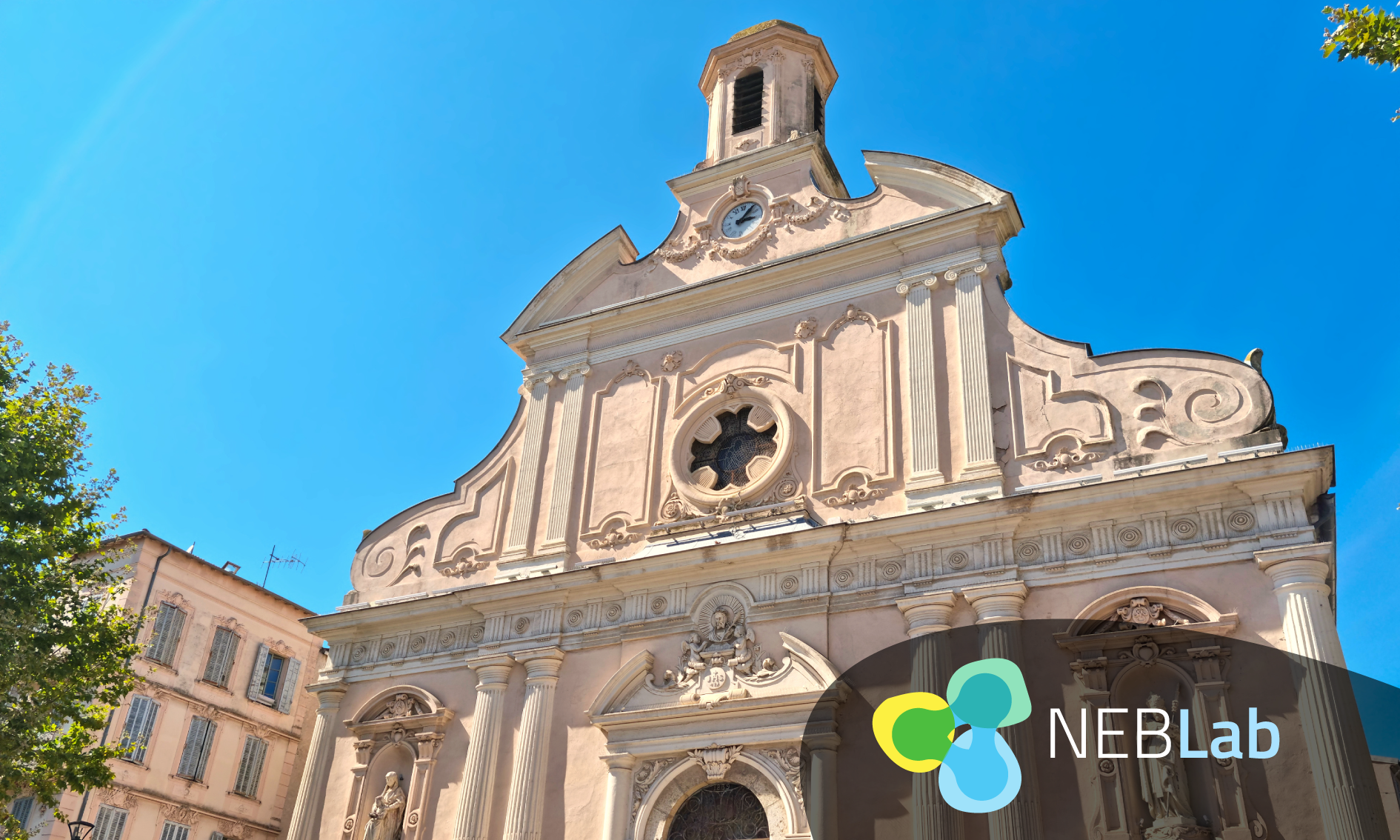
The Neb Lab on “Renovation, transformation, and renewal of church buildings and religious heritage in the EU” held its inaugural meeting on 16 April 2026, marking the official launch of the collaborative initiative after its approval by the European Commission in December 2025. The session was chaired by the three coordinating organisations: Future for Religious Heritage (FRH), Commission of the Bishops’ Conferences of the European Union (COMECE), and the Catholic Private University of Linz.
Kick-off meeting
The kick-off meeting started with an introduction to the Lab and its objectives, presented by Stefan Lunte, COMECE’s representative for the initiative. Lunte also outlined the planned activities for the coming months, highlighting the Lab’s ambition to contribute to ongoing European discussions on the transformation of religious buildings.
The first part of the meeting focused on preparations for a satellite event of the New European Bauhaus Festival. Moderated by Jordi Mallarach, Executive Officer of FRH, participants exchanged potential case studies that could be showcased during the event, emphasising the role of religious heritage sites in innovative approaches to sustainability, inclusivity, and aesthetic of within European towns and cities.
The second half of the session was presented by Ana Minta, Professor of History and Theory of Architecture at the Catholic Private University of Linz, and was dedicated to exploring funding opportunities to support the Lab’s long-term work. The objective is to develop a more structured and financially sustainable programme that can actively contribute to shaping the future of Europe’s built environment.
Upcoming events
Looking ahead, the Lab announced its first public event, scheduled to take place on 12 June during the New European Bauhaus Festival (9-13 June 2026). The event, titled “Connected by heritage: Reactivating historic places of worship for a more sustainable, inclusive and aesthetic Europe,” will explore the adaptive reuse of religious heritage across Europe.
Further plans are also underway for a symposium and an itinerant exhibition, expected to be held in Brussels in September 2026, which aims to broaden public engagement and policy dialogue on the future of religious heritage in Europe.








Follow us: